
Employee Benefits Market Check Survey: Benefits Equity — Awareness vs. Action

Last month, we asked employers about where inequities exist within their employee benefit plans. Just over half of employers told us they have inequities in their benefit offerings, but improving them is not an explicit goal for most. Building on that foundation, this month’s questions explored how organizations actively evaluate and respond to those affordability pressures, including decision-making practices, cost drivers for lower-wage workers, and the use of pay-based adjustments or equity analyses.
We conducted several polls on May 21, and the insights that follow summarize these responses.
*Results based on 185 employer respondents.
Key Findings
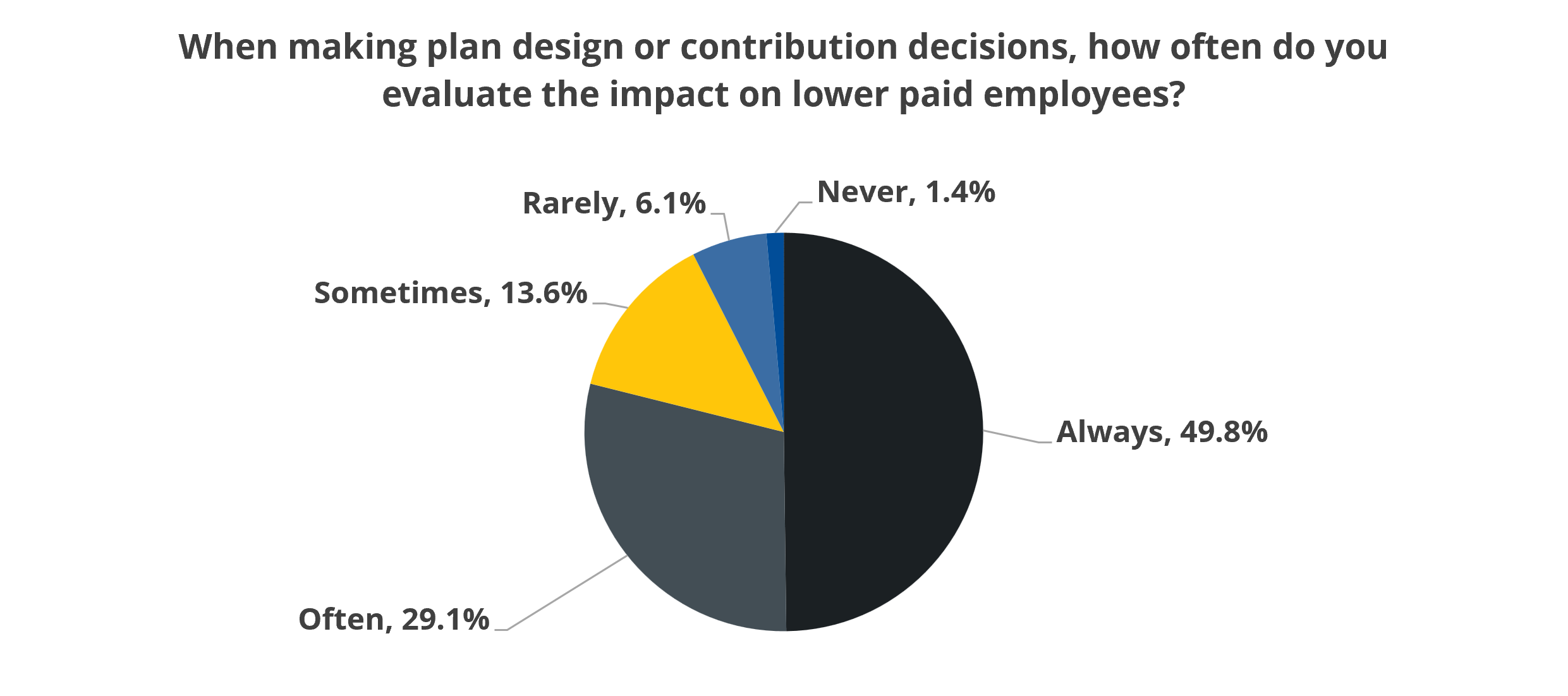
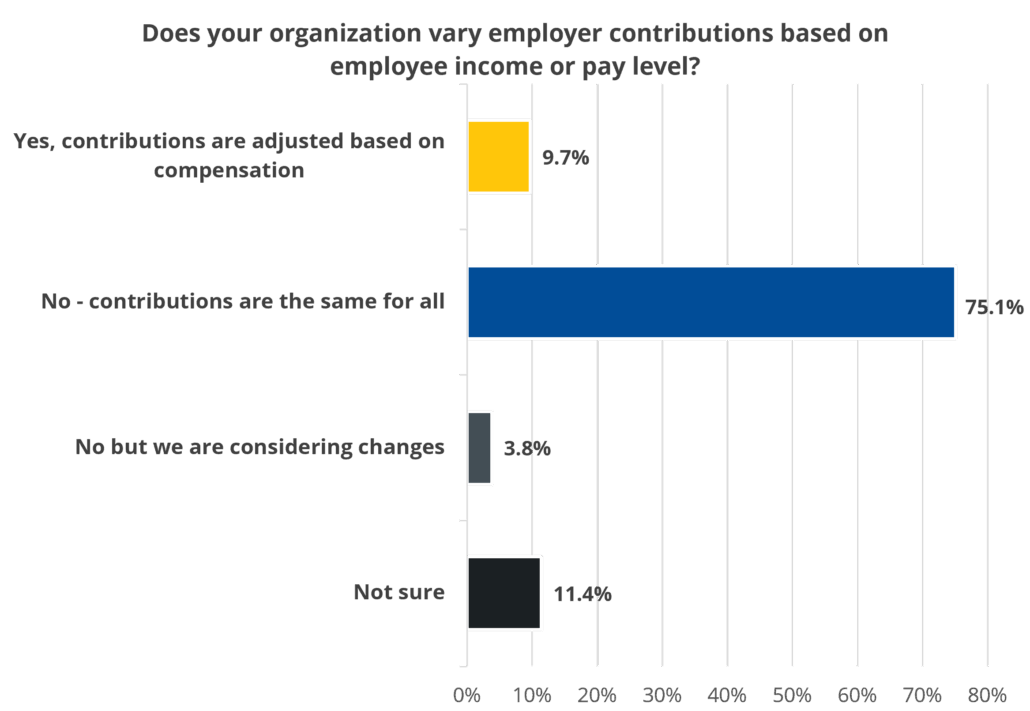
Most employers report that equity considerations are present in decision-making, with nearly 80% saying they always or often evaluate the impact of benefits decisions on lower-paid employees. However, this does not consistently translate into structural approaches, as three out of four employers maintain identical contributions across all pay levels.
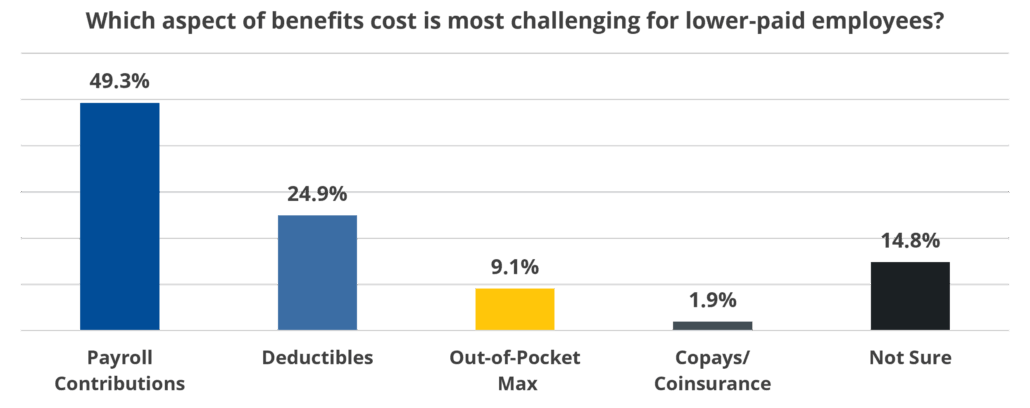
- Affordability is driven most by payroll deduction impact rather than point-of-care costs. Nearly half of respondents (49.3%) identified payroll deductions as the most challenging aspect for lower-paid employees, outpacing deductibles (24.9%) and other out-of-pocket costs. This reinforces that take-home pay impact is a primary pressure point in perceived benefits value.
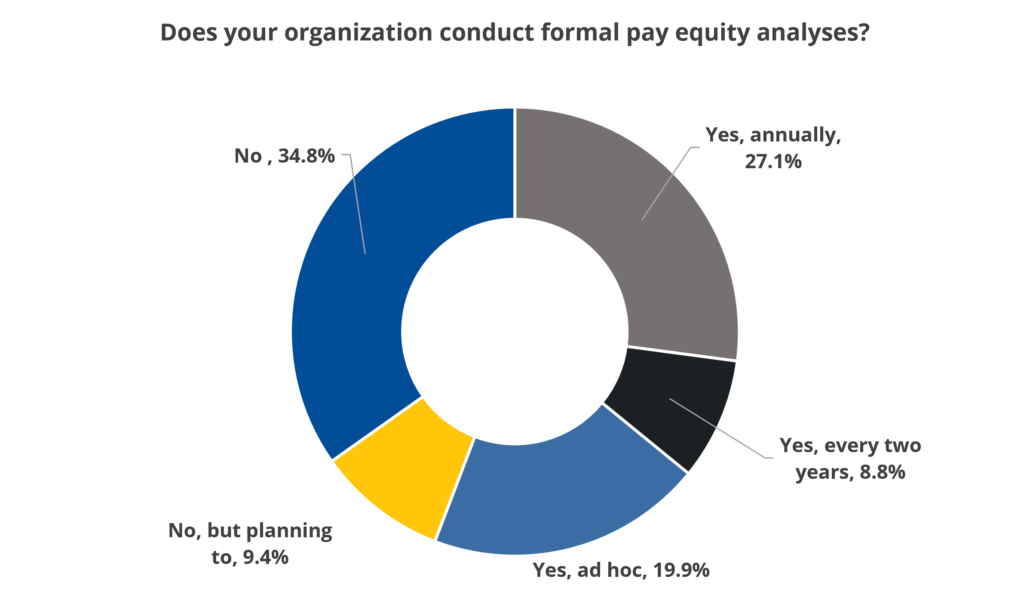
- Pay equity practices remain inconsistent across organizations. Just over a quarter (27.1%) conduct annual analyses, while more than a third (34.8%) do not conduct any formal review.
Taken together with limited use of income-based contributions, this suggests that while awareness of inequities is growing, most employers have not yet operationalized equity considerations across compensation and benefits design in a consistent or systematic way.
As a next step, employers may want to pressure-test where affordability breaks down in the real employee experience, especially at lower wage tiers, and evaluate whether targeted subsidies, tiered contributions, or minimum essential coverage protections could improve accessibility.
Pairing pay equity insights with benefits utilization and payroll deduction impact can also help identify where small design adjustments may meaningfully improve outcomes without requiring a full plan overhaul.
Should you have any questions regarding any of this information or want to discuss benefits equity, please contact your local Assurex Global adviser.


Leave a Reply
Want to join the discussion?Feel free to contribute!